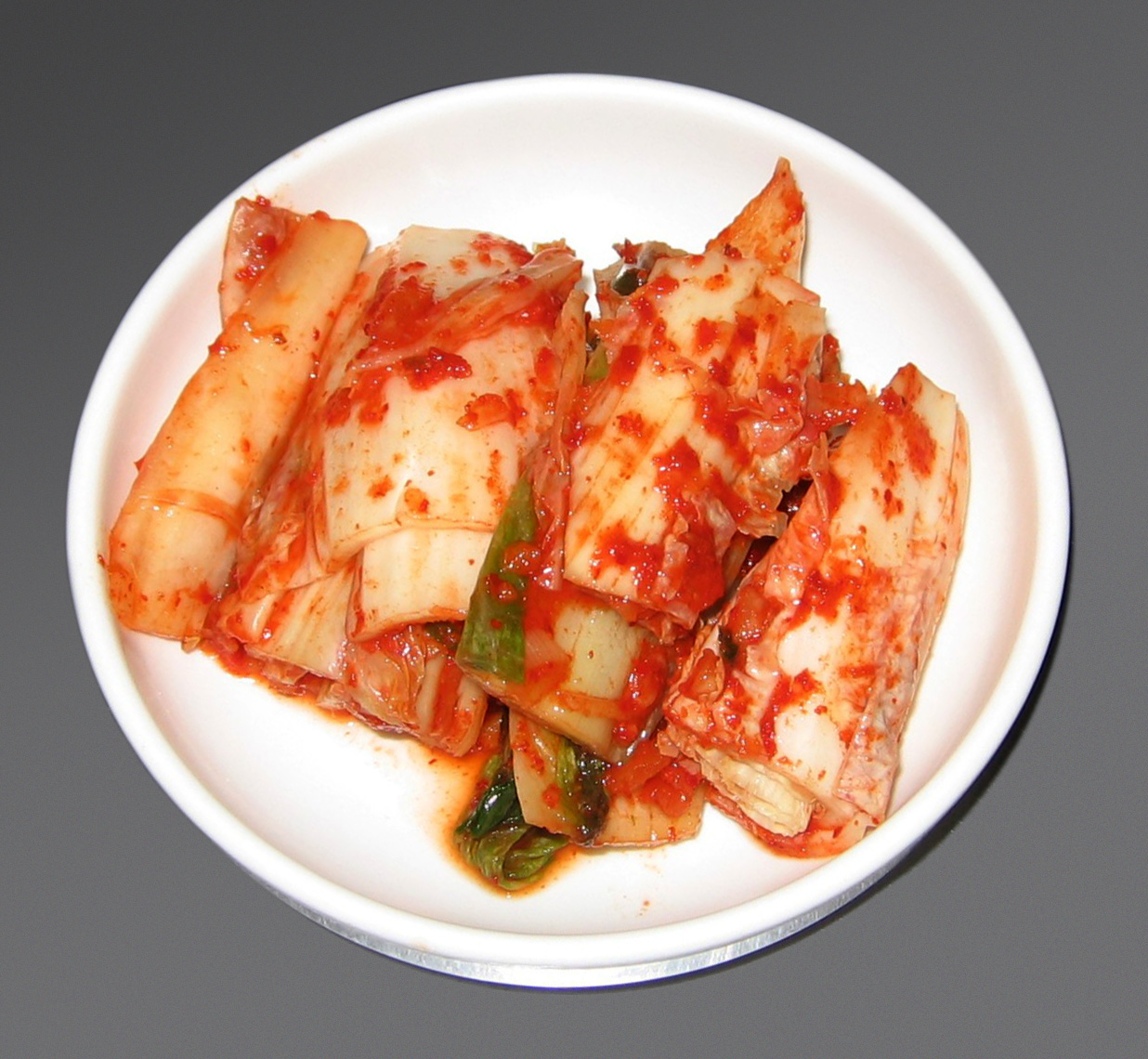
Discover Baechu Kimchi: Korea's Iconic Fermented Cabbage
When one thinks of Korean cuisine, a single dish often springs immediately to mind: kimchi. But among the hundreds of varieties that fall under this broad umbrella term for fermented vegetables, one stands supreme, universally recognized and deeply embedded in the nation's heart:
napa cabbage kimchi, affectionately known in Korea as
baechu kimchi. This vibrant, spicy, and profoundly flavorful fermented dish is far more than just a side; it's a UNESCO-recognized cultural treasure, a symbol of Korean identity, and a testament to centuries of culinary wisdom passed down through generations.
The Heart of Korean Cuisine: What is Baechu Kimchi?
At its core,
baechu kimchi is a masterpiece of fermentation, a dynamic interplay of simple ingredients transformed into something extraordinary. While the term "kimchi" can refer to any number of salted, seasoned, and fermented vegetable dishes – from radish kimchi (kkakdugi) to cucumber kimchi (oi sobagi) – when Koreans speak of kimchi, they are almost invariably referring to the classic
napa cabbage kimchi.
This iconic dish showcases the distinctive balance for which Korean cuisine is celebrated:
- Spicy Heat: Primarily from gochugaru (Korean chili flakes), which provides a rich, smoky warmth rather than just searing heat.
- Deep Umami: Often derived from fermented seafood, such as salted shrimp (saeujeot) or anchovy sauce, adding incredible depth and complexity.
- Pungent Aromatics: Fresh garlic, ginger, and often green onions contribute a bold, aromatic foundation.
- Crisp Freshness: The star ingredient, perfectly salted napa cabbage, retains a satisfying crunch even after fermentation.
- Natural Sweetness: Subtle notes can come from ingredients like Asian pear, sweet rice flour porridge, or just the natural sugars in the vegetables.
The magic of
Korean baechu kimchi lies in this intricate symphony of flavors, where spicy, tangy, savory, and even sweet notes converge, evolving and deepening over time. Its preparation, especially during the communal
kimjang season, is a cherished annual ritual that reinforces community bonds and family traditions, demonstrating a sophisticated understanding of microbiology and food preservation that has sustained communities for centuries.
A Culinary Journey: The Art of Making Napa Cabbage Kimchi
Creating authentic
napa cabbage kimchi is an art form that blends tradition with personal touch. Traditionally, large batches are prepared during
kimjang, ensuring a supply for the colder months. The most revered style is "pogi kimchi," which involves using whole heads of napa cabbage, meticulously salting each leaf, and then hand-spreading a rich, spicy paste between them. While this whole-leaf approach is more labor-intensive, it’s said to allow the flavors to penetrate more deeply and evenly, resulting in a superior fermented product.
The process typically involves several key steps:
- Salting the Cabbage: Whole napa cabbages are quartered or halved and generously salted, then left to wilt. This draws out moisture, tenderizes the leaves, and helps preserve the cabbage.
- Rinsing and Draining: After salting, the cabbage is thoroughly rinsed to remove excess salt and then carefully drained. This crucial step prevents the kimchi from becoming overly salty and ensures the right texture.
- Preparing the Kimchi Paste: This vibrant red paste is the heart and soul of Korean baechu kimchi. It typically includes gochugaru, garlic, ginger, green onions, radish, fermented seafood, and sometimes other ingredients like Asian pear or sweet rice porridge for body and sweetness.
- Applying the Paste: Each individual leaf of the salted cabbage is coated with the paste. This intimate act is where much of the love and effort of making homemade kimchi lies.
- Fermentation: Once assembled, the kimchi is packed into airtight containers and allowed to ferment at room temperature for a day or two, then stored in the refrigerator. Over days, weeks, and even months, beneficial bacteria transform the raw ingredients, developing complex layers of flavor and a characteristic tangy crunch.
While store-bought kimchi is widely available, making it at home offers immense satisfaction and numerous benefits. It's often more cost-effective, allows for complete control over ingredient quality, and – perhaps most importantly – lets you tailor the spice levels and flavor profile to your personal preference. For those interested in mastering this traditional skill,
Your Guide to Authentic Korean Baechu Kimchi (Napa Cabbage) offers invaluable insights and a deeper dive into the preparation methods.
Beyond the Side Dish: Enjoying Korean Baechu Kimchi
The versatility of
napa cabbage kimchi is one of its most remarkable attributes. It seamlessly transitions from a humble side dish (
banchan) to a starring ingredient in a vast array of Korean culinary creations.
- As a Side Dish: Served with almost every Korean meal, its bright tanginess and spice cut through richer flavors and complement simpler ones, refreshing the palate with every bite.
- In Stews and Soups: Aged kimchi is particularly prized for its deep, sour notes, making it the essential base for iconic dishes like kimchi jjigae (kimchi stew) and kimchi guk (kimchi soup).
- Stir-Fries and Fried Rice: Chopped kimchi adds a burst of flavor and texture to kimchi bokkeumbap (kimchi fried rice) or any stir-fried dish.
- Pancakes and Dumplings: It's a key ingredient in savory kimchi jeon (kimchi pancakes) and can be incorporated into mandu (dumplings) fillings.
- Noodles: Whether alongside ramen or mixed into cold noodle dishes, kimchi provides a refreshing kick.
The beauty of
Korean baechu kimchi lies in how its flavor profile evolves. Freshly made, it's crisp, vibrant, and mildly spicy. As it ferments, it develops a profound tanginess and deeper, more complex umami notes, becoming ideal for cooking. This adaptability ensures that kimchi is never boring and always finds a place on the table.
The Probiotic Powerhouse: Health Benefits of Napa Cabbage Kimchi
Beyond its incredible taste and cultural significance,
napa cabbage kimchi has garnered global attention for its impressive health benefits. As a fermented food, it is a rich source of probiotics, the beneficial bacteria vital for a healthy gut microbiome. These "good" bacteria contribute to:
- Improved Digestion: Probiotics aid in breaking down food and absorbing nutrients more efficiently.
- Enhanced Immune Function: A significant portion of our immune system resides in the gut, and a healthy microbiome supports robust immunity.
- Reduced Inflammation: Some studies suggest that the compounds in kimchi, along with its probiotic content, may help reduce systemic inflammation.
- Antioxidant Properties: Ingredients like garlic, ginger, and red chili flakes are packed with antioxidants, which combat free radicals in the body.
The fermentation process not only enriches kimchi's flavor but also enhances its nutritional profile, making vitamins and minerals more bioavailable. This combination of deliciousness and wellness makes
napa cabbage kimchi a true superfood. To learn more about its incredible health advantages and cultural importance, explore
Napa Cabbage Kimchi: A Gut-Healthy Korean Cultural Treasure.
Conclusion
From its humble origins as a method of preserving vegetables to its status as a global culinary icon,
napa cabbage kimchi – or
Korean baechu kimchi – embodies the spirit and flavors of Korea. It's a dish that transcends mere sustenance, weaving together family, tradition, and profound health benefits into every spicy, tangy, and utterly delicious bite. Whether enjoyed fresh, aged, as a standalone side, or as the soul of a hearty stew,
baechu kimchi continues to captivate palates worldwide, inviting everyone to discover the depth and richness of Korea's most beloved fermented cabbage.