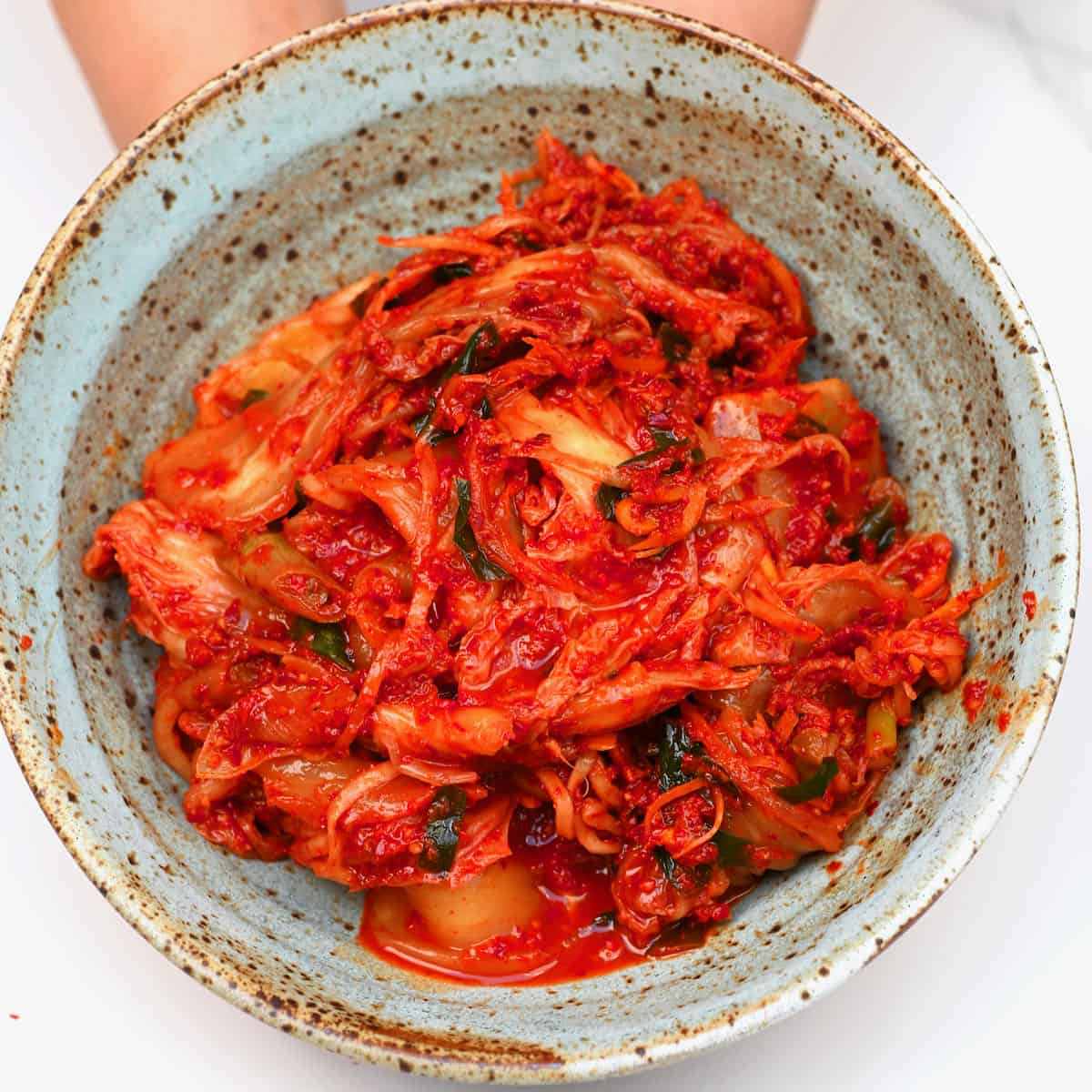
Your Guide to Authentic Korean Baechu Kimchi (Napa Cabbage)
When the word "kimchi" is uttered, a singular image often springs to mind: vibrant red, spicy, and perfectly fermented
napa cabbage kimchi. This iconic dish, known in Korea as
Baechu Kimchi, is not merely a side dish; it's a culinary cornerstone, a cultural emblem, and a testament to generations of sophisticated fermentation science. From its humble origins to its UNESCO-recognized status,
Korean Baechu Kimchi has captivated palates worldwide, offering a complex symphony of flavors that is both deeply comforting and exhilaratingly fresh.
The Heart of Korean Cuisine: What is Baechu Kimchi?
At its core,
Baechu Kimchi refers specifically to kimchi made from napa cabbage (
baechu in Korean). While "kimchi" is an umbrella term encompassing hundreds, if not thousands, of fermented vegetable dishes,
napa cabbage kimchi stands as the undisputed king. When Koreans speak of kimchi, they are almost invariably referring to this pungent, spicy, and tangy delight.
Traditionally, this specific type of kimchi is prepared during the annual
kimjang season, a communal event where families and communities gather to make large batches of kimchi to last through the winter. This practice, recognized by UNESCO as an Intangible Cultural Heritage of Humanity, underscores the dish's profound connection to Korean identity, family bonds, and the rhythm of the seasons. The most traditional form, often called "pogi kimchi," involves fermenting whole or half heads of napa cabbage, meticulously spreading the vibrant seasoning paste between each leaf. While more labor-intensive than "mak kimchi" (roughly chopped kimchi), the whole-leaf approach allows for a deeper flavor penetration and a more satisfying, traditional eating experience. Discover more about this staple by visiting
Discover Baechu Kimchi: Korea's Iconic Fermented Cabbage.
A Symphony of Flavors: Unpacking the Taste Profile
What makes
napa cabbage kimchi so uniquely addictive? It's the masterful balance of diverse flavors, each playing a crucial role in its distinct profile:
*
Spicy Heat: The quintessential bright red hue comes from
gochugaru, Korean chili flakes. Its heat is complex, often fruity, and can range from mild to intensely fiery, depending on personal preference and the type of gochugaru used.
*
Deep Umami: Fermented seafood, such as salted shrimp (
saeujeot) or anchovy paste (
myeolchi aekjeot), is vital for imparting a profound savory depth. This umami richness is a hallmark of authentic Korean flavors and cannot be replicated with other ingredients.
*
Pungent Aromatics: Fresh garlic and ginger are non-negotiable, providing a sharp, aromatic backbone that cuts through the richness and adds layers of complexity. Green onions and sometimes onion slices also contribute to this aromatic foundation.
*
Tangy Fermentation: Over time, the beneficial bacteria introduced during the preparation process work their magic, converting sugars into lactic acid. This gives aged kimchi its characteristic sour, refreshing tang, which becomes more pronounced the longer it ferments.
*
Natural Sweetness: While often subtle, natural sweetness from fruits like Asian pear or apple, along with the inherent sweetness of the napa cabbage itself, balances the spice and tang, creating a harmonious overall taste.
*
Crisp Freshness: Properly salted napa cabbage retains a satisfying crunch, providing a delightful textural contrast to the soft, flavorful paste.
This dynamic interplay of spicy, savory, pungent, tangy, and sweet elements, all encased in a crisp yet tender texture, is what elevates
Baechu Kimchi to culinary art.
Beyond the Side Dish: Culinary Versatility of Napa Cabbage Kimchi
While often enjoyed as a standalone side dish (
banchan) with nearly every Korean meal, the true magic of
napa cabbage kimchi lies in its incredible versatility as a cooking ingredient. It’s not just for eating fresh; its flavors deepen and transform with age, making it perfect for a variety of dishes:
*
Fresh Kimchi (Geotjeori): Younger, less fermented kimchi offers a brighter, crisper texture and a more pronounced spicy kick. It's fantastic straight from the jar, accompanying grilled meats, or as a fresh counterpoint to rich dishes.
*
Aged Kimchi (Sin Kimchi): As kimchi ferments further, its sourness intensifies, and its flavors become more complex and mellow. This is where aged kimchi shines in cooking. It’s the star of:
*
Kimchi Jjigae (Kimchi Stew): The ultimate comfort food, featuring deeply fermented kimchi, pork or tofu, and various vegetables simmered in a rich, spicy broth.
*
Kimchi Bokkeumbap (Kimchi Fried Rice): A popular one-pan meal where chopped kimchi is stir-fried with rice, often topped with a fried egg.
*
Kimchi Jeon (Kimchi Pancake): Savory pancakes studded with chopped kimchi, offering a delightful crisp exterior and soft interior.
*
Kimchi Mandu (Kimchi Dumplings): A flavorful filling for dumplings, adding tang and spice.
The ability of
napa cabbage kimchi to transition from a refreshing accompaniment to a foundational flavor in hearty stews and vibrant stir-fries is a testament to its indispensable role in Korean gastronomy.
Why Make Your Own Napa Cabbage Kimchi? A Rewarding Journey
In recent years, the global surge in interest in fermented foods has brought kimchi to the forefront of healthy eating trends. While commercially available kimchi is increasingly common, crafting your own
Korean Baechu Kimchi offers unparalleled benefits and a profoundly rewarding experience:
1.
Customizable Spice Levels: One of the biggest advantages of homemade kimchi is the ability to adjust the heat to your preference. Whether you prefer a mild tang or a fiery kick, you have complete control over the amount of
gochugaru.
2.
Ingredient Control: You choose the quality of your napa cabbage, ensuring it’s fresh and crisp. You can also select specific types of fermented seafood or opt for vegetarian/vegan alternatives if desired, tailoring the flavor profile precisely.
3.
Cost-Effectiveness: Making a large batch of kimchi at home is often significantly more economical than purchasing equivalent quantities from specialty stores.
4.
Superior Freshness and Probiotics: Homemade kimchi, especially when handled properly, is teeming with live, beneficial bacteria crucial for gut health. You get the full spectrum of probiotic benefits, fresh from your kitchen.
5.
The Joy of Creation: There's immense satisfaction in creating such a culturally significant and delicious food from scratch. The process, though sometimes labor-intensive, connects you to a timeless tradition.
The traditional method of making "pogi kimchi," where the seasoning paste is meticulously spread leaf by leaf, is a true labor of love. It’s a process that ensures every bite of your
napa cabbage kimchi is infused with flavor, creating a truly authentic and deeply satisfying result.
Tips for Crafting Your Perfect Baechu Kimchi
Embarking on your kimchi-making journey can be an exciting culinary adventure. Here are some practical tips to help you succeed:
*
Choose the Right Cabbage: Select firm, heavy napa cabbages with bright green outer leaves and a pale-yellow interior. Avoid any with brown spots or signs of wilting.
*
Proper Salting is Key: Salting the napa cabbage thoroughly is perhaps the most crucial step. It draws out excess water, preserves the crisp texture, and initiates the fermentation process. Don't rush this step, and ensure the cabbage is evenly salted.
*
Balance Your Paste: The kimchi paste (
yangnyeom) is where the magic happens. Experiment with the ratios of
gochugaru, garlic, ginger, fermented seafood, and a touch of sweetness (pear, apple, or sugar) to find your ideal balance. Some recipes also include glutinous rice flour paste for body.
*
Wear Gloves: When mixing and spreading the paste, always wear food-safe gloves. This protects your hands from the chili heat and helps maintain hygiene.
*
Room Temperature for Initial Fermentation: After packing your seasoned kimchi into airtight containers, allow it to ferment at room temperature for 1-3 days (depending on ambient temperature and desired tanginess). This kickstarts the process.
*
Refrigerate for Slower Fermentation: Once your kimchi reaches the desired level of tanginess, transfer it to the refrigerator. This significantly slows down fermentation, allowing you to enjoy your kimchi over several weeks or even months.
*
Keep it Submerged: To prevent mold and ensure even fermentation, try to keep the kimchi submerged in its own liquid. A small plate or a clean plastic bag filled with water can help weigh it down.
Conclusion
Napa cabbage kimchi, or
Korean Baechu Kimchi, is much more than a simple food item; it's a vibrant expression of Korean culture, a powerhouse of flavor, and a beacon of good health. Its journey from a traditional preserving method to a global culinary sensation underscores its timeless appeal and incredible versatility. Whether you’re savoring it fresh as a tangy side, enjoying its complex depths in a hearty stew, or taking on the rewarding challenge of making it from scratch,
Baechu Kimchi offers an authentic taste of Korea that is both deeply satisfying and infinitely adaptable. Embrace the tang, the spice, and the umami – your palate, and your gut, will thank you.