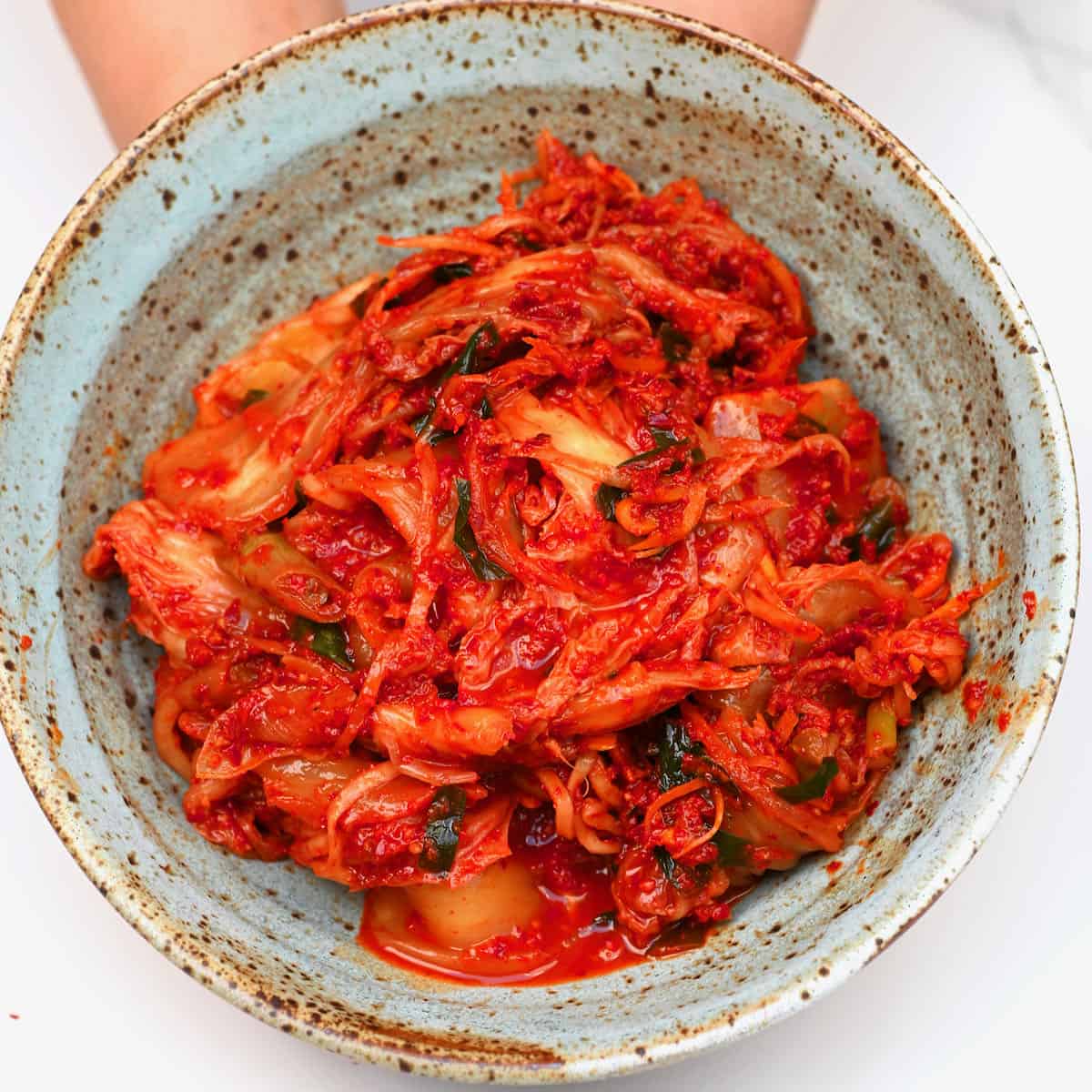
Napa Cabbage Kimchi: A Gut-Healthy Korean Cultural Treasure
When the term "kimchi" is uttered, most connoisseurs and casual diners alike instantly envision the vibrant, spicy, and tangy fermented napa cabbage dish that has become synonymous with Korean cuisine. This iconic food, properly known as
Napa Cabbage Kimchi, or more specifically,
Baechu Kimchi (배추김치) in Korean, is far more than just a side dish; it's a cornerstone of Korean identity, a testament to generations of culinary wisdom, and a celebrated superfood renowned for its gut-healthy properties. Recognized by UNESCO as an Intangible Cultural Heritage of Humanity for its unique "Kimjang" tradition – the communal practice of making and sharing kimchi – baechu kimchi embodies a sophisticated balance of flavors and a deep understanding of natural fermentation. From its rich history to its undeniable health benefits and versatile applications, let's delve into what makes this Korean cultural treasure so beloved worldwide.
The Heart of Korean Cuisine: What is Napa Cabbage Kimchi?
At its core,
napa cabbage kimchi is a masterpiece of fermentation, showcasing a complex interplay of spicy, umami, tangy, and subtly sweet notes. While "kimchi" is an umbrella term encompassing hundreds of varieties of salted, seasoned, and fermented vegetables, *baechu kimchi* stands as the quintessential representation. It typically refers to the classic preparation involving whole or cut napa cabbage, meticulously coated in a vibrant red paste. This paste is a symphony of flavors itself, featuring the fiery kick of *gochugaru* (Korean chili powder), the pungent aromatics of fresh garlic and ginger, the depth of fermented seafood (like salted shrimp or anchovy paste known as *jeotgal*), and often a touch of sweetness from fruit purees or sugar.
The distinctive crispness of perfectly salted napa cabbage provides the perfect textural contrast to the rich, spicy paste. Whether enjoyed fresh, offering a more immediate burst of flavor, or aged for several weeks or months, where its tanginess deepens and its probiotics proliferate, baechu kimchi is incredibly versatile. It functions as a foundational side dish (*banchan*) at virtually every Korean meal, but its utility extends far beyond. It’s a vital ingredient in beloved comfort foods such as kimchi stew (kimchi jjigae), kimchi fried rice (kimchi bokkeumbap), and kimchi pancakes (kimchi jeon), demonstrating its irreplaceable role in the Korean culinary landscape.
A Journey Through Tradition: Kimjang and Cultural Significance
The creation of
napa cabbage kimchi is steeped in a tradition known as *Kimjang*, a centuries-old practice that highlights its profound cultural significance. Traditionally performed in late autumn, Kimjang season sees families and communities gather to collectively prepare large batches of baechu kimchi, enough to sustain them through the cold winter months. This communal effort transcends mere food preparation; it's a vibrant social ritual that strengthens family bonds, reinforces community ties, and ensures the continuity of an invaluable culinary heritage. The knowledge of selecting the best cabbage, precisely salting it, crafting the perfect paste, and understanding the nuances of fermentation is a sophisticated science passed down through generations.
This tradition underscores the deep respect Koreans have for their food and the painstaking effort involved in creating something so essential. The flavors of
Korean baechu kimchi are not merely a result of ingredients but also of time, care, and collective memory. The balance achieved in a perfectly fermented batch—between the intense spice, the savory umami, and the refreshing tang—is a hallmark of Korean cuisine. It's this dedication to tradition and quality that makes baechu kimchi a true cultural treasure. For those eager to delve deeper into its story, you can
Discover Baechu Kimchi: Korea's Iconic Fermented Cabbage and its rich history.
Beyond Flavor: The Gut-Healthy Power of Fermentation
In recent years, the world has awakened to the remarkable health benefits of fermented foods, and
napa cabbage kimchi stands proudly at the forefront of this movement. Its status as a gut-healthy probiotic food is well-deserved, stemming directly from its unique fermentation process. During fermentation, naturally occurring lactic acid bacteria (such as *Lactobacillus*) proliferate, breaking down sugars in the cabbage and producing beneficial compounds. These probiotics are vital for a healthy gut microbiome, which in turn plays a crucial role in digestion, nutrient absorption, and even immune function.
Regular consumption of
Korean baechu kimchi can contribute to a diverse and robust gut flora, offering potential benefits such as improved digestion, reduced inflammation, and enhanced immunity. Beyond its probiotic content, kimchi is also packed with vitamins and minerals, including Vitamin A, C, and K, as well as various B vitamins, iron, and calcium, derived from its wholesome vegetable ingredients. The napa cabbage itself provides fiber, aiding digestive regularity. While many store-bought kimchis are available, making your own ensures you're getting a fresh, unpasteurized product with a maximum probiotic punch, making it a delicious and nutritious addition to any diet. It offers similar benefits to other popular fermented foods like kombucha, kefir, and sauerkraut, but with its own distinctive Korean flair.
Crafting Your Own Korean Baechu Kimchi: A Rewarding Experience
While readily available in many stores, the experience of making your own
napa cabbage kimchi is incredibly rewarding and offers several distinct advantages. Homemade kimchi is not only more cost-effective but also allows for complete customization of flavor and spice levels. For those new to Korean spice, the amount of *gochugaru* can be adjusted to suit individual palates, making it an accessible delight for everyone. Moreover, preparing *baechu kimchi* at home ensures the freshest ingredients and often results in a more vibrant and authentically flavored product.
The traditional method, often referred to as *pogi kimchi*, involves carefully spreading the kimchi paste over each individual leaf of a whole napa cabbage head. While this can be more labor-intensive, it ensures every part of the cabbage is infused with flavor. However, for beginners or those seeking a quicker preparation, a "cut kimchi" (*mak kimchi*) approach where the cabbage is chopped before salting and mixing with the paste is also popular and equally delicious. Whichever method you choose, the process connects you directly to the ancient Korean culinary tradition. Dive into the details and learn how to create your own delicious batch by exploring
Your Guide to Authentic Korean Baechu Kimchi (Napa Cabbage).
Essential Tips for Perfect Homemade Kimchi:
- Choose Fresh Cabbage: Select firm, heavy napa cabbages with crisp, pale green leaves for the best texture.
- Proper Salting is Key: Don't rush the salting process. It's crucial for drawing out excess water, softening the cabbage, and initiating fermentation. Ensure an even coat and sufficient resting time.
- Wear Gloves: The kimchi paste, especially with gochugaru and strong aromatics, can irritate sensitive skin. Protect your hands!
- Taste Your Paste: Before mixing with the cabbage, taste your kimchi paste and adjust seasonings (salt, sugar, spice) to your preference.
- Fermentation Environment: For optimal fermentation, keep your kimchi at room temperature (around 65-70°F or 18-21°C) for 1-3 days, depending on desired tanginess, then transfer to the refrigerator for slower aging.
- Use an Airtight Container: During fermentation, gases will be produced. Use a fermentation crock or a jar with an airlock, or burp your containers daily to release pressure.
In conclusion,
Napa Cabbage Kimchi, the illustrious
Korean Baechu Kimchi, stands as a culinary powerhouse—a rich tapestry of flavor, history, and health benefits. From its central role in the age-old Kimjang tradition to its modern recognition as a probiotic superfood, it embodies the sophisticated simplicity of Korean gastronomy. Whether you're savoring it as a fiery side dish, cooking with its tangy depth, or embarking on the satisfying journey of making it yourself, baechu kimchi offers an unforgettable taste experience and a nourishing boost for your well-being. Embrace this vibrant cultural treasure and discover why it continues to captivate palates across the globe.